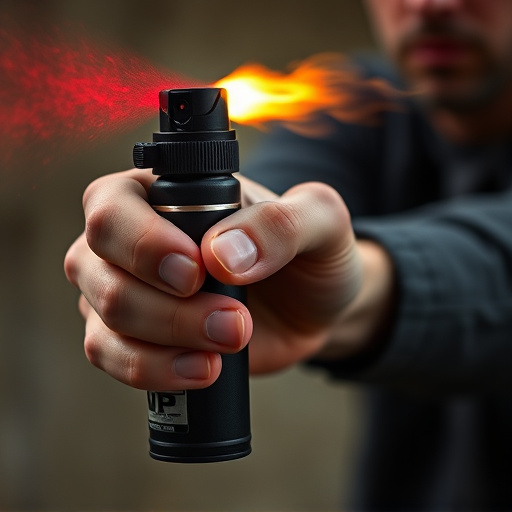
Bear spray, containing capsaicin from chili peppers, is a defense mechanism against aggressive animals. It temporarily blinds and disorients them, allowing for escape or self-defense. When choosing bear spray, look for high capsaicin concentrations and sufficient range/duration. Use it by positioning yourself with your back to the threat, activating the nozzle at chest height, aiming for 2-3 second bursts at the attacker's face. Immediately rinse eyes with clean water for at least 15 minutes post-use following the pepper spray eye washing procedure. Prompt medical attention is crucial after any bear spray encounter to evaluate and treat potential injuries.
Staying safe while outdoors in bear country is paramount. One effective tool for defense against aggressive bears is bear spray, a powerful pepper spray designed to deter and disable attackers. This article guides you through everything from understanding the composition and function of bear spray to choosing the right product for maximum effectiveness. We’ll also detail the correct application technique, emphasizing proper aim and movement, and offer crucial post-exposure care instructions, including a thorough pepper spray eye washing procedure.
- Understanding Bear Spray: What It Is and How It Works
- Choosing the Right Pepper Spray for Maximum Effectiveness
- The Correct Application Technique: A Step-by-Step Guide
- Post-Exposure Care: Eye Washing Procedure and Medical Considerations
Understanding Bear Spray: What It Is and How It Works
Bear spray, also known as pepper spray, is a specialized defense mechanism designed to deter and repel aggressive animals, particularly bears. It’s not just any pepper spray; it’s formulated for extreme conditions and high-pressure applications. The active ingredient, capsaicin, is derived from chili peppers and is known for its potent irritant properties. When sprayed, it targets the animal’s eyes, nose, and mouth, temporarily blinding and disorienting them, allowing you time to escape or defend yourself.
Unlike conventional pepper spray used for human self-defense, bear spray is designed with a specific eye-washing procedure in mind. Due to the proximity of bears during an encounter, traditional eye-spraying techniques might not be effective. Bear spray is formulated to quickly dissolve and wash away, minimizing the risk of long-term eye damage from capsaicin residue. This feature ensures that users can perform essential first aid after the attack, such as flushing the eyes with water, without worrying about lingering effects from the spray.
Choosing the Right Pepper Spray for Maximum Effectiveness
When selecting bear spray, understanding its components and how they affect animals is key. Look for sprays with a high capsaicin concentration, as this is the active ingredient that deters bears by targeting their sensory systems. Additionally, consider the spray’s range and duration—you want it to be powerful enough to reach and incapacitate an attacking bear from a safe distance.
Remember, proper usage is crucial. Always read the instructions thoroughly before heading into bear country. Knowing the pepper spray eye washing procedure is essential: quickly cover your face with your arms, then rinse your eyes with clean water for at least 15 minutes. This helps minimize irritation and ensures you can safely assess your situation after an encounter.
The Correct Application Technique: A Step-by-Step Guide
To effectively utilize bear spray as a defense mechanism, it’s crucial to understand and execute the correct application technique. Start by ensuring your back is to the threat and your target is directly in front. Hold the can upright and at chest height, pointing it away from yourself to avoid accidental spraying. Activate the nozzle with a quick, firm pull of the tab, aiming for the face and eyes of the attacking animal.
The pepper spray should be applied in short bursts, about 2-3 seconds each, as continuous spraying may result in wastage. Maintain your distance while the spray does its job, causing temporary blindness and irritation to the attacker. After use, immediately wash your eyes with clean water for at least 15 minutes, following the standard pepper spray eye washing procedure. This step is vital to ensure no residual pepper spray remains, preventing further discomfort or potential damage.
Post-Exposure Care: Eye Washing Procedure and Medical Considerations
After a bear spray encounter, proper post-exposure care is crucial to mitigate potential injuries and prevent further complications. The first step in this process involves an immediate and thorough pepper spray eye washing procedure. Bear spray can cause severe eye irritation and temporary blindness, so rapid action is vital. Rinse the eyes with clean, cool water for at least 15 minutes, ensuring that the water reaches all parts of the eye, including under eyelids.
Seeking medical attention promptly is also essential, especially if symptoms persist or worsen. Healthcare professionals can evaluate any potential damage to the eyes and other parts of the body from the spray. They may prescribe medications for pain, inflammation, or infection prevention. It’s important to remember that bear spray injuries can range from minor irritations to more severe cases, so professional guidance is necessary to ensure proper healing and reduce long-term effects.
Bear spray is an effective defense against animal attacks, but proper understanding and usage are key. By choosing the right pepper spray, applying it correctly, and following a meticulous eye washing procedure after exposure, individuals can significantly reduce the risk of injury. Always remember to consult with experts and local authorities for specific guidelines when encountering bears or other wildlife. Understanding how bear spray works and prioritizing safety measures can make all the difference in potentially life-saving scenarios.